NVIDIA Redesigns AI Chips to Bypass U.S. Export Rules for China
In a strategic response to escalating U.S.-China tech tensions, chipmaker NVIDIA is revamping its artificial intelligence (AI) processors to comply with updated U.S. export controls while maintaining access to its crucial Chinese customer base.
During a recent trip to Beijing in April 2025, NVIDIA CEO Jensen Huang informed top Chinese tech firms—including ByteDance, Alibaba, and Tencent—about plans to introduce redesigned AI chips that meet current U.S. regulations but still serve China’s booming AI sector.
The move could safeguard billions in revenue for the chip giant, which risks losing an estimated $5.5 billion in potential sales following the U.S. ban on exporting its H20 AI chips to China.
New Chips, Same Market
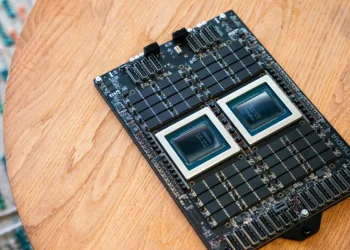
According to a report from The Information, NVIDIA is aiming to release samples of the newly adjusted chips as early as June 2025. These chips are specifically designed to meet U.S. export rules without significantly compromising their computing capabilities—enabling continued legal sales in China.
NVIDIA is also reportedly developing a tailored version of its cutting-edge Blackwell AI chip for the Chinese market, signaling its intent to stay competitive despite political headwinds.
Neither NVIDIA nor the companies involved—ByteDance, Tencent, or Alibaba—have publicly commented on the matter. The U.S. Commerce Department has also remained silent.
Strategic Tech Adaptation
The redesign of NVIDIA’s AI hardware represents a broader pattern of global tech adaptation amid increasing restrictions and supply chain fractures. Washington has been tightening chip exports to prevent Chinese access to advanced AI computing capabilities, citing national security concerns.
NVIDIA, which has emerged as a dominant force in the AI chip sector, had previously designed the H20 chip specifically to comply with earlier U.S. rules. But with even those chips now banned, the company is forced to pivot again to protect its Chinese market share.
Why It Matters
The NVIDIA AI chip China strategy illustrates the complex balancing act faced by multinational tech companies navigating geopolitical divides. As AI continues to fuel next-generation innovation, chips like those from NVIDIA are crucial to industries ranging from e-commerce and cloud computing to autonomous vehicles and smart cities.
Any major disruptions in chip access—on either side of the Pacific—could have cascading effects on global innovation, investment, and supply chains.https://dig.watch/updates/nvidia-moves-to-comply-with-us-export-rules