Nvidia, a titan in the semiconductor world, is broadening its reach into AI inference with a $20 billion deal to acquire Groq, a company that specializes in Language Processing Units (LPUs). This bold move marks a pivotal shift in Nvidia’s strategy, signaling a transition from its GPU-centric approach to embracing specialized chips tailored for AI inference workloads.
Why Nvidia’s $20B Groq Deal Matters for AI
Nvidia’s GPUs have been the backbone of AI’s rapid growth, powering the training of complex models. However, as AI transitions from model training to real-world applications, the need for specialized chips has become apparent. The shift from training to inference, where models are used to generate answers and engage in real-time interactions, requires chips that can deliver speed, efficiency, and scalability.
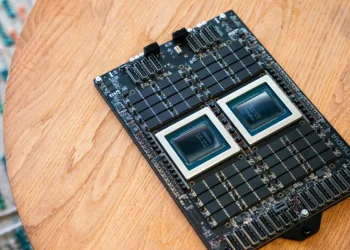
Nvidia Groq Inference Deal,Groq’s LPUs, designed specifically for inference, offer significant advantages over GPUs in this domain. Unlike the flexible and general-purpose nature of GPUs, Groq’s chips are optimized for fast, real-time processing, with minimal latency and energy consumption, making them ideal for large-scale AI applications.
The Growing Need for Specialized Inference Chips
Inference tasks are expected to dominate AI workloads, with estimates suggesting that this market could far surpass the size of the training market. While GPUs are incredibly powerful for training, their flexibility comes at the cost of efficiency for inference tasks. As AI products continue to mature, the need for chips that can handle inference with higher speed and lower power consumption is critical.
Groq’s LPUs provide a solution to this problem, offering a fixed, predictable approach to processing, which ensures that each operation is executed with precision and consistency. This makes Groq’s chips a perfect fit for AI applications that demand real-time performance, such as autonomous vehicles, smart cities, and generative AI.
Nvidia’s Inference Strategy: A Hybrid Future
While Nvidia’s GPUs will continue to dominate the training phase, the company recognizes the growing importance of inference and has made a strategic decision to embrace LPUs through its acquisition of Groq. This marks a significant shift in the semiconductor industry, where GPUs have traditionally been the go-to solution for both training and inference tasks.
In a broader view, the future of AI data centers is expected to be hybrid, with GPUs and custom AI chips like Groq’s LPUs working side by side, each optimized for specific tasks. Nvidia’s NVLink Fusion technology allows seamless integration of these different chips, ensuring a cohesive system for both training and inference.
Why Nvidia Bought Groq: A Strategic Move for the Future
The $20 billion acquisition of Groq not only strengthens Nvidia’s position in the inference market but also helps the company stay ahead of its competitors, such as Google’s TPUs and startups like Positron AI. By integrating Groq’s technology into its portfolio, Nvidia can offer a more comprehensive solution to its customers, enabling them to leverage both GPUs and specialized chips for their AI workloads.
In summary, Nvidia’s deal with Groq underscores the company’s commitment to leading the next phase of AI innovation. By diversifying its offerings to include specialized inference chips, Nvidia is positioning itself to dominate the future of AI, ensuring that it remains a key player in the rapidly evolving tech landscape.