Physical AI is now a core technology for smart cities and industrial systems. NVIDIA is collaborating with partners like Accenture, Avathon, Belden, DeepHow, Milestone Systems, and Telit Cinterion to enhance operations with physical AI perception and reasoning. These efforts help make cities and industries safer, smarter, and more efficient by simulating, training, and deploying AI technologies.
Advancements in Physical AI for Safer Cities and Industries
The demand for physical AI is rising rapidly. It automates risky tasks, improves transportation, and boosts public safety. This technology helps detect defects in factories and automates tasks that were once hazardous for workers. It can also support real-time decision-making, which increases efficiency and reduces errors.
The Role of Physical AI in Industrial Automation
In industries like manufacturing, physical AI makes a significant impact. It detects defects, automates processes, and improves worker safety. For example, Accenture and Belden developed a smart virtual fence that prevents accidents between workers and robots. This system uses NVIDIA Metropolis and Omniverse to simulate complex environments in 3D. By applying this technology, companies ensure safer workplaces and increase operational productivity.
Enhancing Efficiency with Physical AI Models
Avathon uses NVIDIA Metropolis’ Blueprint for Video Search and Summarization (VSS) to provide real-time insights, improving worker safety and operational efficiency. In collaboration with Reliance British Petroleum, Avathon helped improve safety standards at gas stations. Similarly, DeepHow is using VSS to transform workflows into multilingual, visual guides. This improves training consistency, reduces onboarding time, and helps companies like Anheuser-Busch InBev efficiently train employees.
Leveraging Metropolis Updates for Physical AI
NVIDIA Metropolis has introduced key updates that further enhance physical AI applications:
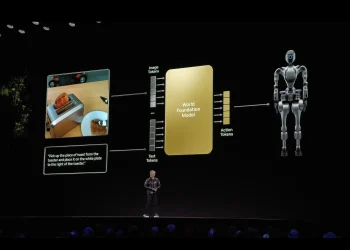
- Cosmos Reason VLM: A customizable model that enables robots to understand video content, reason contextually, and perform tasks like traffic monitoring and visual inspection.
- VSS Blueprint 2.4: This update integrates Cosmos Reason, making it easier to use physical AI in smart infrastructure and expand vision AI applications.
- New Vision Foundation Models: TAO Toolkit now includes models optimized for edge and cloud environments. These models support applications like defect detection and AI-driven visual inspection.
- NVIDIA Isaac Sim Extensions: New tools in Isaac Sim simulate human-robot interactions and generate training datasets, which accelerates AI development and improves real-world performance.
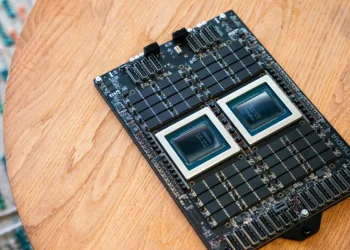
- Expanded Hardware Support: Metropolis now supports NVIDIA RTX PRO 6000 Blackwell GPUs, DGX Spark desktop supercomputers, and Jetson Thor, enabling deployment across edge and cloud environments.
The Future of Physical AI in Cities and Industries
As physical AI technology continues to evolve, it will transform how cities and industries operate. By using NVIDIA’s Metropolis platform and Cosmos AI models, developers can create robust systems that improve public safety, enhance productivity, and support sustainable urban development.