The landscape of artificial intelligence (AI) is evolving, and Nvidia, a company long known for its dominance in AI hardware and GPU technologies, is once again at the forefront of this transformation. Nvidia’s focus is now shifting towards AI inference, a key process that enables machines to interpret and act upon AI models after they have been trained. This pivot is reshaping how businesses, industries, and even governments deploy AI at scale.
In recent years, Nvidia has introduced the concept of ‘AI factories’, a new approach to managing and deploying AI inference at scale. This transition is not only a technological leap but also a strategic move that places Nvidia in an ideal position to dominate the AI-powered future. In this article, we’ll delve into the concept of AI inference, Nvidia’s pivot toward AI factories, and how this shift is transforming industries across the globe.
1. What is AI Inference?
Before diving into Nvidia’s role, it’s important to understand AI inference and why it matters.
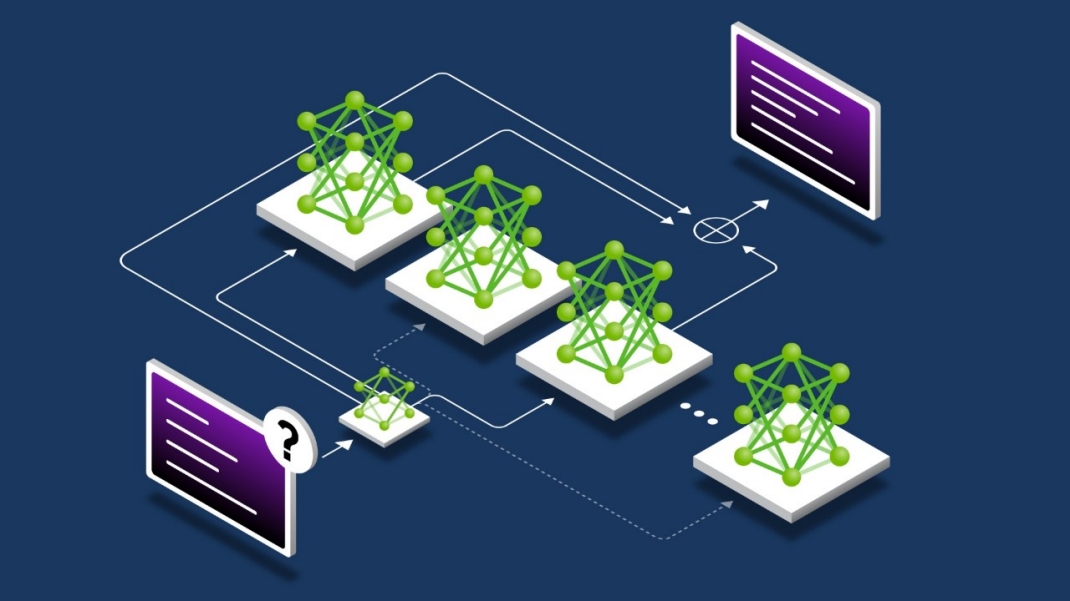
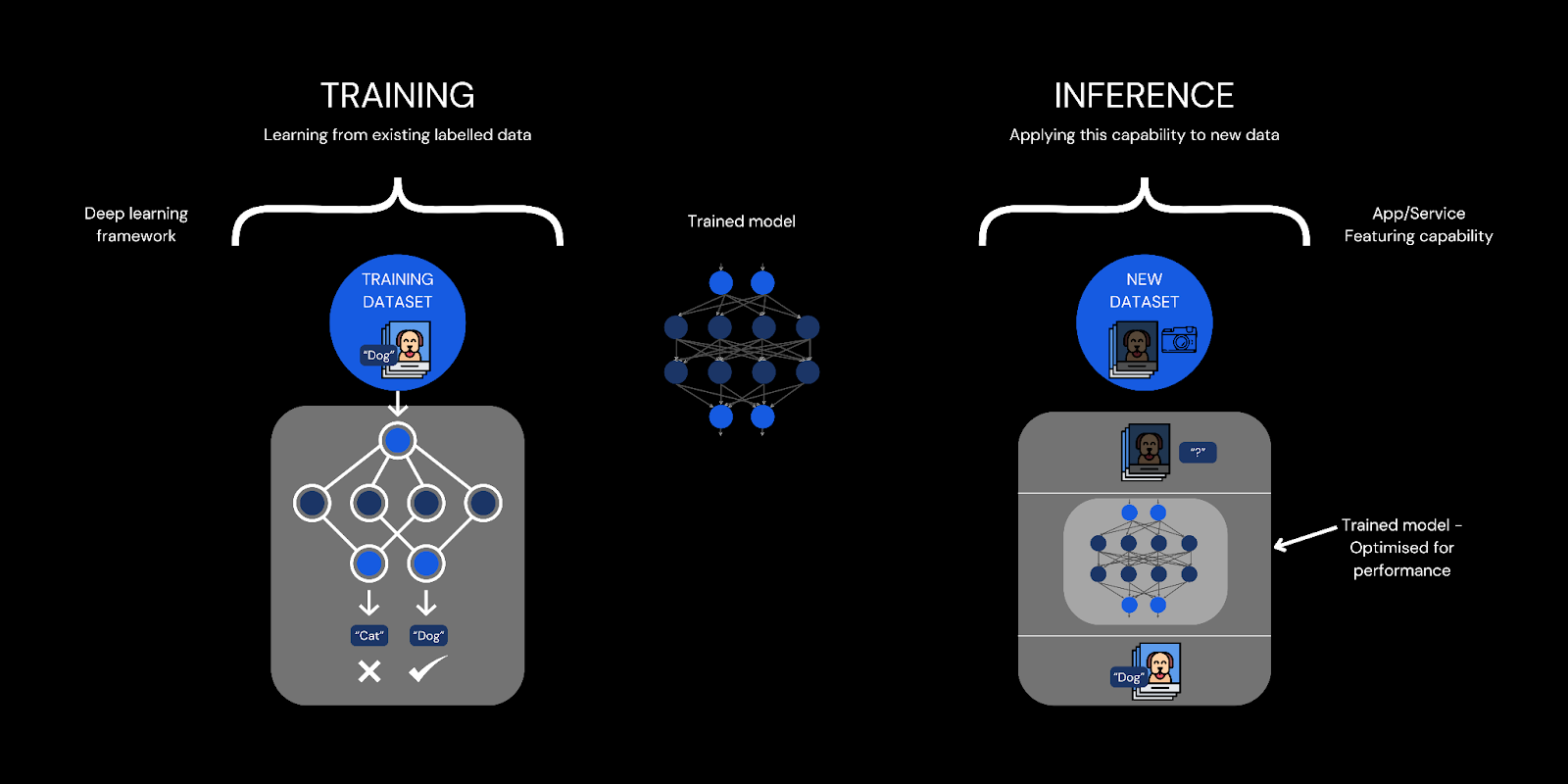
AI inference is the stage in the AI lifecycle that happens after a model has been trained on large datasets. While training AI models involves teaching the system how to understand and predict data, inference is the process where the model is put to practical use. Inference involves running the trained AI model on real-time data and making predictions or decisions based on that input.
For example, an AI model trained to detect fraud in banking transactions will perform inference every time a new transaction is processed, determining whether it’s suspicious or not. This stage is critical to making AI systems useful and operational.
Nvidia’s shift towards AI inference represents a recognition that deploying AI at scale is just as important as developing the models themselves. Efficient, scalable inference is key to unlocking the full potential of AI across industries, from healthcare to automotive to financial services.
2. Nvidia’s Pivot to ‘AI Factories’
Nvidia has traditionally been known for its Graphics Processing Units (GPUs), which are essential for training AI models. However, the company has recognized a growing need for AI inference solutions that go beyond training. In response, Nvidia is shifting its focus toward AI factories—an innovative concept designed to enable companies to deploy AI at scale through powerful, centralized AI systems.
An AI factory is essentially a system architecture that enables businesses to deploy, manage, and scale AI inference workloads efficiently. These “factories” combine hardware, software, and cloud services to provide businesses with turnkey solutions that streamline the deployment of AI models across their operations.
Key Elements of Nvidia’s AI Factories:
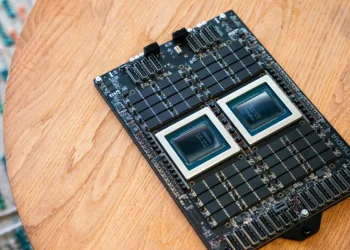
- High-performance computing (HPC): Nvidia’s A100 Tensor Core GPUs and the Nvidia DGX systems are integral to these AI factories, providing the raw processing power needed for AI inference.
- Nvidia EGX Platform: This edge computing platform enables real-time AI processing at the point of data generation, ensuring that AI models can be deployed efficiently in edge environments like factories, hospitals, and smart cities.
- Software Integration: Nvidia’s NVIDIA AI software stack optimizes the entire pipeline, from model deployment to cloud-based inference. This ensures that AI factories run smoothly, with minimal latency and maximum scalability.
- Cloud and Edge Computing: Nvidia’s AI factories leverage both cloud-based and edge computing resources to ensure that inference can be performed locally or remotely, depending on the requirements of the business.
The concept of AI factories reflects Nvidia’s strategic vision to support not only AI model development but also its real-world deployment. This shift positions Nvidia as a key enabler of AI at scale, powering industries that rely on real-time AI predictions.
3. Why AI Inference is Crucial for Businesses
AI inference is a critical step for industries aiming to integrate AI into their day-to-day operations. Here’s why inference plays such a central role in business success:
Faster Decision-Making
AI inference allows businesses to process data in real-time and make faster, data-driven decisions. For example, in the healthcare industry, AI inference can help doctors detect diseases in medical images faster, leading to quicker treatment decisions. In the finance industry, AI inference can flag fraudulent transactions as they occur, helping financial institutions reduce losses and protect customers.
Cost Efficiency
AI inference can help businesses optimize their processes by automating repetitive tasks, such as customer support chatbots or inventory management. The ability to scale inference with Nvidia’s AI factory solutions ensures that businesses can maintain high performance without the high costs associated with traditional computing resources.
Real-Time Processing
In industries like autonomous vehicles or smart manufacturing, AI models need to process data in real-time to ensure operational efficiency and safety. AI inference makes this possible by enabling models to make predictions and decisions in milliseconds, rather than hours or days.
4. Nvidia’s Competitive Edge: Can It Maintain Its Lead?
Nvidia’s move towards AI factories places it in a strong position to lead the AI inference market. However, the competition is fierce, with companies like Intel, AMD, Google, and Amazon investing heavily in AI and inference technology.
Nvidia’s Competitive Advantages:
- Unmatched GPU Performance: Nvidia’s GPUs are still the gold standard for AI training, and their performance continues to improve with each generation. As inference requires robust computing power, Nvidia’s hardware remains essential for high-performance AI workloads.
- Comprehensive AI Solutions: Nvidia’s ability to offer an integrated hardware-software solution, through its AI factories, gives it a unique edge over competitors. This complete stack—ranging from GPUs to AI software—ensures that businesses can easily scale their AI models.
- Industry Leadership: Nvidia has consistently led the AI industry in innovation and is regarded as a trusted partner for both startups and global enterprises alike. Its dominance in AI hardware, coupled with its growing presence in AI software and inference, gives it a significant market lead.
Challenges Ahead for Nvidia
Despite its advantages, Nvidia must contend with rising competition and the evolution of AI. Companies like Google have introduced custom AI chips, such as Tensor Processing Units (TPUs), that are specifically optimized for inference. Intel and AMD are also developing their own AI inference solutions, which could challenge Nvidia’s market share.
Additionally, the increasing demand for edge computing and distributed AI networks means Nvidia will need to ensure that its AI factories remain adaptable to rapidly changing technological requirements.
5. The Future of AI Factories and Inference
The rise of AI inference and the development of AI factories signal a bright future for industries that rely on real-time decision-making and predictive AI systems. Over the next few years, we can expect:
- More powerful AI models: With Nvidia’s innovation, the next generation of AI models will become even more capable of making complex decisions and predictions.
- Smarter AI ecosystems: AI factories will become smarter, integrating cloud computing, edge processing, and AI optimization to create more seamless and scalable systems.
- Wider AI adoption: As the technology becomes more efficient and accessible, AI inference will be adopted across more industries, from healthcare to transportation and manufacturing.
6. Conclusion: Nvidia’s Future in AI Inference
Nvidia’s pivot toward AI inference and the creation of AI factories reflects the company’s ongoing commitment to shaping the future of AI. With its unmatched hardware, innovative software, and AI-powered solutions, Nvidia is well-positioned to remain a leader in the AI market.
However, as competition intensifies, Nvidia will need to continue innovating and adapting to new technological demands to maintain its edge. The rise of AI inference promises to be a game-changer for industries worldwide, and Nvidia’s strategic shift toward AI factories could very well secure its dominance in this rapidly growing market. The future of AI is real-time, and Nvidia is leading the charge.