After a stellar 39% growth last year, Nvidia’s (NVDA) stock has faced a sharp decline in 2026, with a 6% drop wiping out approximately $400 billion from its market value. Investors are now left wondering if this dip presents a buying opportunity or if there are more headwinds ahead. While Nvidia has been a dominant force in the GPU market, several factors are currently pressuring its stock. Let’s dive into the reasons behind Nvidia’s recent sell-off and assess whether it’s time for investors to buy the dip.
Why is Nvidia Stock Declining?
Several factors are contributing to Nvidia’s stock struggles, despite its previous successes. Here’s a breakdown of the headwinds currently affecting Nvidia investors:
- Rising Competition from AMD
Nvidia’s dominance in the GPU market has been under threat from Advanced Micro Devices (AMD), which is gaining ground in the GPU sector. As major tech companies, including Meta and Alphabet, begin incorporating AMD chips into their infrastructure alongside Nvidia, some investors are concerned about Nvidia’s future growth potential. - Growth of Custom Silicon
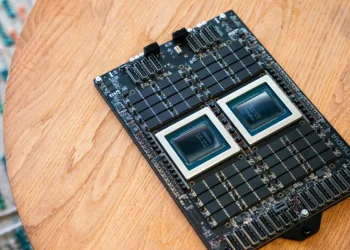
Hyperscalers like Meta Platforms and Alphabet are increasingly moving toward custom application-specific integrated circuits (ASICs), which focus on specific workloads. This shift away from general-purpose GPUs could challenge Nvidia’s core data center segment, which has been a major growth driver. - Uncertainty in China
China remains a key market for Nvidia, but geopolitical tensions and trade policies have caused significant growth challenges. Despite some recent progress, the uncertain trajectory in China continues to make Nvidia’s prospects in the region unpredictable, adding to the overall uncertainty surrounding its future growth.
Is Nvidia Stock a Buy?
Despite the current challenges, Nvidia’s stock may still present a compelling long-term investment. The skepticism surrounding the company has been fueled by recent setbacks, but the underlying business fundamentals suggest that Nvidia is far from facing a “crash landing.”
Nvidia’s leadership in the AI revolution, strong data center growth, and strategic positioning in key industries like autonomous vehicles still hold significant potential. Moreover, the company’s continued innovation in GPUs, coupled with its partnerships and collaborations, could drive its growth in the coming years.
While Nvidia’s stock has faced a dip in 2026, the long-term growth prospects for the company remain strong. If you believe in Nvidia’s ability to adapt to new competition and geopolitical challenges, this may be the right time to buy the dip. However, for those concerned about the risks from AMD’s rise, the shift to custom silicon, and uncertainties in China, caution may be advisable.