Nvidia CEO Jensen Huang has made his way to Shanghai, kicking off a routine visit to China, as the tech giant faces intensifying regulatory scrutiny and mounting competition from local chip manufacturers. Huang’s presence in Shanghai marks the beginning of an annual celebration with Nvidia’s China employees, but this visit is far from ordinary as the company navigates China’s regulatory landscape.
Huang’s visit comes at a crucial time for Nvidia, which is at the center of a global struggle for dominance in the artificial intelligence (AI) and semiconductor industries. With competition ramping up from Chinese firms, including major local players in the AI and chip manufacturing sectors, Nvidia’s position in China is becoming increasingly precarious.
What’s Behind Huang’s China Visit?
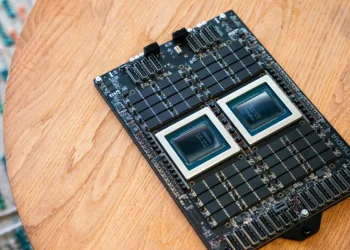
While Nvidia has long been a key player in the global semiconductor industry, Huang’s visit signals a heightened focus on China, a crucial market for the company. Nvidia’s chips, including the much-coveted H200 AI processor, have been at the heart of a geopolitical tug-of-war. Recently, China has placed significant scrutiny on the company’s flagship AI products, with the fate of the H200 still undecided.
Huang is expected to meet with Nvidia’s China employees before traveling to other major Chinese cities, including Beijing and Shenzhen. This routine event also includes important engagements with local business partners, reflecting the critical role China plays in Nvidia’s global strategy.
The Tension Over the H200 Chip
The H200 chip, Nvidia’s second most powerful AI processor, has become a flashpoint in US-China relations. Washington has already approved the chip for sale to Chinese clients, but Chinese authorities have recently told customs agents to block its entry into the country. The move has sparked questions about whether Beijing intends to restrict Nvidia’s access to one of the largest markets for AI technology.
China’s resistance to Nvidia’s products could be part of a broader effort to strengthen its domestic semiconductor industry, with China hoping to foster homegrown alternatives to Western technologies. The situation remains fluid, and Nvidia’s upcoming discussions with Chinese regulators will be pivotal in shaping the future of its operations in China.
Nvidia’s Strategic Response to Competition and Regulatory Scrutiny
Despite the mounting challenges, Huang remains steadfast in Nvidia’s commitment to both the Chinese market and the global tech ecosystem. The visit serves to underscore the company’s determination to engage with China on favorable terms, all while navigating the delicate balancing act of maintaining strong relationships with US authorities.
Nvidia has continued to innovate in AI and machine learning, with the company’s GPUs playing a key role in advancements across various sectors, including robotics, healthcare, and digital finance. However, the regulatory roadblocks and the competitive threat from local players in China cannot be ignored, and Huang’s visit could provide the company with valuable insights into managing these tensions.
Looking Ahead: Nvidia’s Next Steps in China and Beyond
As Huang wraps up his visit to China, Nvidia’s next steps in the region remain unclear. The company’s future in China is closely tied to the decisions made by both US and Chinese regulators. Nvidia’s ability to navigate these complex geopolitical waters will be critical in ensuring that its AI chips continue to shape the future of technology, both in China and globally.
For now, Nvidia will likely continue to play a pivotal role in advancing the global AI revolution, but the outcome of Huang’s visit could determine how smoothly that journey unfolds in China.