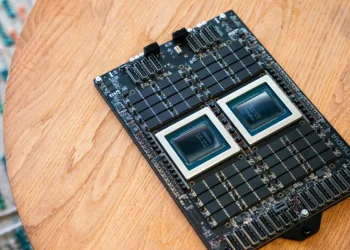
Nvidia, a company best known for its graphics processing units (GPUs), has rapidly evolved into one of the most influential forces in technology. Initially dominating the gaming and data center markets, Nvidia’s reach has expanded into artificial intelligence, autonomous vehicles, healthcare, and now robotics and quantum computing—two sectors that many experts believe hold transformative potential.
As we approach 2026, Nvidia’s strategic push into these cutting-edge fields may not only diversify its revenue but also cement its leadership in shaping the next era of computing and automation. This article explores Nvidia’s expansion into robotics and quantum computing, the opportunities it presents, and the challenges the company may face.
Nvidia’s Robotics Ambitions
Traditionally, robotics has been associated with industrial automation—assembly lines, manufacturing, and repetitive tasks. While those applications remain, the robotics landscape is expanding rapidly into service robots, logistics automation, autonomous agents, and human-robot interaction.
Nvidia is uniquely positioned to play a central role in this shift. Its GPUs are already widely used in training deep neural networks—the backbone of modern computer vision, perception, and decision-making systems that autonomous robots rely on.
1. AI-Powered Autonomous Machines
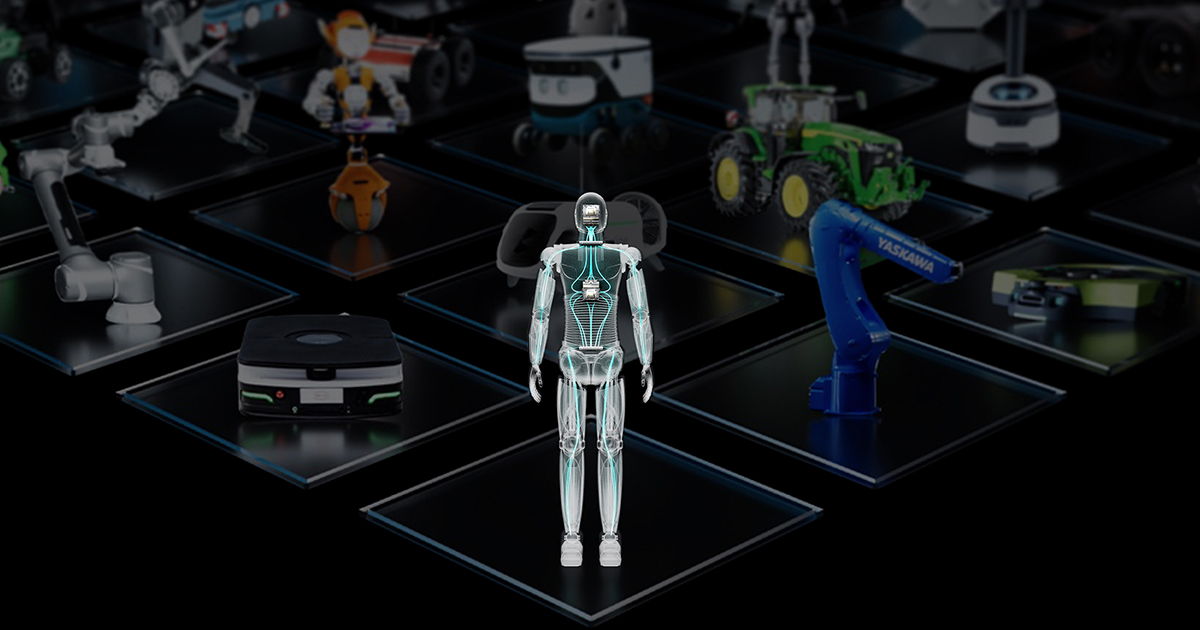
Nvidia’s platforms, such as the Jetson edge computing systems, are designed to bring AI to robots operating outside traditional data centers. These modules allow robots to perform complex tasks locally—recognizing objects, navigating environments, and interacting with users.
Using Nvidia hardware and software frameworks, developers can build intelligent robots faster. The result? More capable service robots for healthcare, logistics, retail, and even home assistance.
2. Simulation and Digital Twins
Another area where Nvidia adds value is simulation. Through platforms like Nvidia Omniverse, manufacturers and researchers can create realistic digital environments to train and test robotic behaviors safely and efficiently. These simulations accelerate development cycles and reduce costs by minimizing real-world trial-and-error.
Simulated learning environments are critical in applications such as autonomous warehouse robots, where safety and reliability are paramount.
3. RoboMaker Ecosystem
By integrating software tools, AI models, and hardware references, Nvidia is creating an ecosystem that invites developers to innovate. Partnerships with robotics companies, industry alliances, and academic collaborations further strengthen this ecosystem.
This approach mirrors Nvidia’s success in AI software libraries and frameworks, effectively lowering barriers to entry for robotics development.
Nvidia and Quantum Computing
Quantum computing represents a fundamentally different approach to computing—one that leverages quantum mechanical phenomena such as superposition and entanglement to solve problems that are intractable for classical computers.
While quantum computing is still an emerging field, Nvidia is positioning itself to be a key player in the supporting infrastructure.
1. Quantum-Classical Integration
Nvidia’s strengths in high-performance computing (HPC) and AI make it a natural fit for hybrid quantum-classical computing models. Many real-world quantum workflows involve quantum processors handling specialized tasks while classical systems manage data preparation, control, and interpretation.
By developing tools and hardware that facilitate this integration, Nvidia can help bridge the gap between experimental quantum processors and practical, scalable solutions.
2. Software Toolchains and Simulation
Quantum computers remain limited in scale and error rates. As a result, researchers rely on quantum simulators running on classical hardware to develop algorithms and applications. Nvidia’s GPUs are widely used for simulation tasks due to their parallel processing capabilities.
Nvidia’s software frameworks can accelerate quantum circuit simulation—helping developers design more effective quantum algorithms and benchmark performance ahead of deployment on real quantum processors.
3. Strategic Partnerships
Nvidia has engaged with quantum hardware developers and research institutions, recognizing that collaboration accelerates progress. By contributing compute infrastructure and AI tools to these ecosystems, Nvidia strengthens its presence at the intersection of classical and quantum computing.
Why Robotics and Quantum Are Strategic for Nvidia
Diversifying Revenue Streams
Nvidia’s traditional markets—gaming and data centers—remain strong, but diversification helps mitigate risk and capture emerging opportunities. Robotics and quantum computing offer avenues for future growth outside established segments.
Leadership in AI Enablement
Both robotics and quantum computing rely heavily on AI. Nvidia’s leadership in AI accelerators, software libraries, and developer ecosystems positions it well to influence how these technologies evolve.
As robots become more autonomous and quantum systems integrate AI workflows, Nvidia’s solutions could be central to both development and deployment.
Ecosystem Influence
Nvidia’s strength is not just hardware—it’s the ecosystem of software, developer tools, and community support. This reach allows it to shape standards, influence research directions, and foster widespread adoption of its technologies.
Challenges Ahead
Despite promising opportunities, Nvidia’s expansion is not without challenges.
1. Competition
The robotics and quantum fields are crowded with established players and ambitious startups. For robotics, companies like Boston Dynamics, Universal Robots, and industry-specific automation innovators pose competitive pressure. In quantum computing, hardware developers such as IBM, Google, and D-Wave push the boundaries of qubit technology.
Nvidia’s success depends on its ability to differentiate its offerings and foster collaborative partnerships.
2. Technical Complexity
Both robotics and quantum computing involve significant technical complexity. Robotics requires seamless integration of mechanical, electrical, and software systems—often in unpredictable real-world environments. Quantum computing involves intricate physics, error correction, and hardware scaling challenges.
To succeed, Nvidia must invest in research, talent, and cross-disciplinary innovation.
3. Adoption Barriers
Real-world adoption of autonomous robots and quantum-enhanced workflows is still early. Businesses and organizations must see clear ROI, affordable solutions, and reliable performance before widespread adoption.
This calls for practical, scalable products—not just theoretical advancements.
What This Means for the Future
Nvidia’s move into robotics and quantum computing signals a broader evolution in how computing technologies shape the world.
- For Businesses: The integration of AI-powered robotics promises higher efficiency, cost savings, and new service models in manufacturing, logistics, healthcare, and retail. Quantum-enhanced workflows could unlock new levels of optimization, simulation, and data analysis.
- For Developers: Access to advanced hardware platforms, simulation tools, and integrated ecosystems lowers barriers to innovation, enabling new applications that were once out of reach.
- For Society: Autonomous agents and hybrid computing models have the potential to improve productivity, safety, and quality of life. However, ethical, workforce, and policy considerations must remain part of the conversation.
Conclusion
Nvidia’s expansion into robotics and quantum computing reflects a bold strategy to diversify its impact and lead in emerging areas of technology. By leveraging its strengths in AI acceleration, developer ecosystems, and high-performance computing, Nvidia is well-positioned to influence how autonomous systems and hybrid computing models evolve.
The journey ahead holds exciting possibilities—but also real-world challenges that require collaboration, innovation, and strategic focus. As robotics and quantum computing continue to mature, Nvidia’s role may well become central to the next wave of technological transformation.