Stock market information for NVIDIA Corp (NVDA)
- NVIDIA Corp is a equity in the USA market.
- The price is 186.23 USD currently with a change of -0.90 USD (-0.00%) from the previous close.
- The latest open price was 189.07 USD and the intraday volume is 187967169.
- The intraday high is 190.42 USD and the intraday low is 186.13 USD.
- The latest trade time is Saturday, January 17, 04:15:00 +0300.
Nvidia’s AI Dominance: What’s Driving the Stock Price to $186.23?
Nvidia Corporation (NVDA) has become one of the most talked-about stocks on Wall Street in recent years — and its AI leadership is at the heart of the story. Trading around $186.23 as of mid-January 2026, Nvidia’s share price reflects both investor enthusiasm for artificial intelligence and broader debates about valuations in the technology sector.
Below, we’ll explore what’s driving Nvidia’s stock, why investors are excited (and cautious), and what factors could influence its future trajectory.
Why Nvidia Is Synonymous With AI
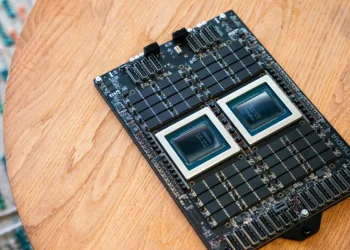
At its core, Nvidia is a semiconductor and technology company best known for its graphics processing units (GPUs), which are essential for high-performance computing. Over the past decade, Nvidia’s products evolved from gaming and graphics to become the backbone of industrial-strength artificial intelligence workloads.
GPUs are now widely used to train and run AI models — from generative AI like large language models to machine learning tasks in data centers worldwide. This transformation has made Nvidia not just a hardware provider, but a critical infrastructure company in the AI age.
Strong Financial Performance and Growth Expectations
One of the most direct drivers of Nvidia’s stock price has been its game-changing earnings and revenue growth.
Earnings Beats and Revenue Growth
In a recent quarter, Nvidia reported results that significantly exceeded analysts’ expectations, including strong revenue growth driven by AI products such as the Blackwell platform. Revenue climbed roughly 60% year-over-year, and future guidance remained optimistic, pushing sentiment higher.
These results showed not only strong current performance but future potential — a key reason investors price Nvidia as an AI leader rather than just a chipmaker.
Dominance in AI Infrastructure
Nvidia’s core strength is its ability to supply the high-performance computing power that modern AI systems require.
GPUs and Data Centers
Nvidia’s GPUs have become the standard in AI data centers globally. The company holds an outsized share of the high-end AI processor market, and many cloud providers, tech giants, and startups rely on Nvidia technology for AI training and inference workloads. (Nasdaq)
Additionally, Nvidia is expanding into AI-focused networking and rack-scale systems, meaning its products increasingly span entire data pipelines rather than just chips.
Broader Industrial Trend: AI Adoption
Nvidia’s success cannot be separated from the broader AI revolution.
Massive Capital Spending on AI
Across industries, businesses are spending billions on AI infrastructure. This trend boosts demand for Nvidia’s products — especially GPUs — as the essential hardware for AI training and deployment. Analysts see AI spending continuing to grow significantly in coming years, which supports high expectations for Nvidia’s future revenue.
As AI becomes embedded in more sectors — including autonomous vehicles, healthcare, cloud services, and scientific computing — Nvidia’s technology remains central, reinforcing its valuation.
Analyst Sentiment and Price Targets
Despite short-term market volatility, many analysts remain bullish on Nvidia:
- The average 12-month price target among analysts sits well above current levels, with a Strong Buy rating prevalent.
- Price targets from some analysts forecast substantial upside, driven by the projected expansion of data center demand and AI workloads.
These bullish views help support confidence among investors and can buoy the stock price even amid market fluctuations.
Risks and Skepticism
Even with Nvidia’s strong fundamentals, there are cautionary voices in the market:
AI Bubble Concerns
Some investors warn that AI valuations may be overheated. Notably, investor Michael Burry — famous for predicting the 2008 housing crisis — has publicly taken positions betting against Nvidia’s stock, citing concerns that valuations are heavily tied to future, rather than current, real-world revenue.
The debate mirrors past concerns during tech bubbles: strong future expectations can drive stock prices high, even if current use cases aren’t fully monetized yet.
Geopolitical and Competitive Risks
Export restrictions and competition from emerging AI hardware companies — especially in markets like China — may impact Nvidia’s market share or pricing power in the long term.
Read:The Future of AI: Nvidia’s Blackwell Chip Launch and What It Means for Investors
Strategic Partnerships and Ecosystem Strength
Nvidia isn’t just a chip maker. Over the years, it has built a software ecosystem that complements its hardware offerings. Platforms like CUDA — a proprietary programming model — lock in developers and make Nvidia hardware more attractive to AI researchers and enterprises.
This ecosystem advantage is one reason Nvidia maintains a competitive edge, even as other chip makers try to catch up.
Additionally, the company’s collaborations with cloud providers, AI startups, and major tech players help cement long-term demand for its products.
Short-Term Stock Movements and Market Dynamics
While long-term drivers remain strong, Nvidia’s stock price can be volatile in the short term — reflecting broader tech sector trends, economic data, and investor sentiment. The stock’s recent range has oscillated between swings tied to earnings, market rotation, and broader macro factors.
Even with these swings, many investors view dips as buy opportunities, given the structural growth narrative around AI.
Nvidia’s stock price at around $186.23 reflects a mix of strong financial performance, dominant AI product leadership, and investor optimism about future growth. The company’s GPUs and AI infrastructure platforms sit at the center of the AI revolution — driving demand from data centers to enterprise AI applications.
Yet risks remain around valuation levels, geopolitical competition, and the pace of AI adoption. For investors, Nvidia’s future hinges on both capturing continued AI demand and navigating these broader market dynamics.