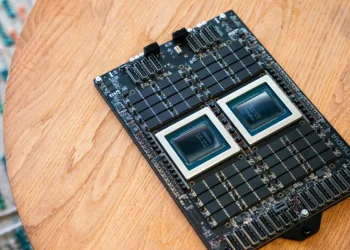
As one of the world’s leading technology companies, Nvidia has become synonymous with cutting-edge semiconductors, artificial intelligence computing, and advanced graphics processing units (GPUs). Its products power everything from gaming rigs to data centers, autonomous vehicles, and high-performance AI applications. However, Nvidia’s success is not immune to external forces—especially geopolitical risks that influence global trade, regulatory environments, supply chains, and investor sentiment.
In 2026, geopolitical factors continue to shape the business landscape for multinational tech firms like Nvidia. Understanding how these risks affect Nvidia’s business operations and stock performance is critical for investors, industry watchers, and policymakers alike.
What Are Geopolitical Risks?
Geopolitical risks refer to uncertainties and disruptions resulting from political events, international conflicts, trade policies, diplomatic tensions, sanctions, and regulatory shifts. These risks can affect global markets, cross‑border investment, and technology flows.
For global technology companies that rely on international supply chains and diverse markets, geopolitical instability introduces additional layers of complexity and uncertainty.
Nvidia’s Global Footprint and Exposure Points
Nvidia’s business model depends on:
- Global supply chains for semiconductor production and components
- International sales across North America, Europe, Asia, and emerging markets
- Collaborations and partnerships with global technology companies
- Access to foreign talent, research, and investment
This expansive footprint means that geopolitical disruptions in any region—particularly in Asia and the United States—can ripple across Nvidia’s operations and financial performance.
Trade Tensions and Export Controls
One of the most significant geopolitical pressures affecting Nvidia is U.S.–China trade tensions. The U.S. government has increasingly implemented export controls on key semiconductor technologies to limit access by Chinese companies.
Nvidia is directly impacted because China is both a major consumer of its products and a key market for AI and data center hardware. Export controls may restrict Nvidia’s ability to sell advanced chips in China or require licensing, reducing revenue potential and growth in a strategically important market.
Such trade barriers can also prompt China to accelerate local alternatives, intensifying competition and reshaping the regional marketplace.
Supply Chain Disruptions and Reshoring Pressures
Global semiconductor supply chains are long and complex, involving multiple countries for design, fabrication, packaging, and testing. Geopolitical instability—such as conflicts, sanctions, or travel restrictions—can disrupt these chains.
For example, Taiwan, home to major semiconductor foundries, is a geopolitical flashpoint with the potential for conflict escalation. Any disruption in Taiwanese manufacturing or shipping routes could delay chip production and increase costs across the industry, directly affecting Nvidia and other semiconductor firms.
In response, some governments are promoting reshoring—bringing production closer to home—to mitigate such risks. While reshoring may enhance long‑term resilience, it often requires significant investment and may increase short‑term production costs.
Regulatory Pressures and National Security Concerns
In addition to trade controls, national security regulations influence how technology companies operate globally. Countries may restrict data transfers, limit foreign technology participation in sensitive sectors, or impose additional compliance requirements.
For Nvidia, such regulatory differences mean adapting products and services to meet local standards. In some cases, the company may be excluded from government procurement or infrastructure projects due to security policies.
These regulatory environments require Nvidia to invest in compliance, legal expertise, and localized strategies to manage risk while continuing global expansion.
Currency Fluctuations and Market Volatility
Geopolitical risks also drive currency fluctuations and stock market volatility. When tensions escalate—such as during trade negotiations, sanctions, or military conflict—investors often seek safe‑haven assets, causing technology stocks (including Nvidia) to fluctuate.
For example, rising interest rates combined with geopolitical uncertainty can shift investor attention away from high‑growth tech stocks toward more defensive assets. Nvidia’s stock price may respond with short‑term volatility even if its fundamentals remain strong.
Additionally, currency exchange rate shifts can affect reported revenue and profit margins in international markets.
Case: Nvidia Stock Price Reaction to Geopolitical News
In recent years, Nvidia’s stock has periodically reacted to geopolitical developments such as:
- Announcements of export controls or tariffs
- Broad technology sanction regimes
- Tensions in the South China Sea
- Global supply chain bottlenecks
These events can lead to increased trading volume, rapid price swings, and adjusted investor forecasts. Although Nvidia’s long‑term growth prospects often attract sustained interest, short‑term geopolitical noise can introduce significant fluctuations.
Strategic Responses by Nvidia
To mitigate geopolitical risks, Nvidia has taken several strategic steps:
Diversifying Supply Chains
Nvidia partners with multiple manufacturers and invests in flexible production strategies to avoid over‑dependence on any single region. Its hardware ecosystem includes collaboration with international foundries and assembly partners to spread risk.
Localized Market Strategies
By tailoring products, compliance efforts, and partnerships to specific regional requirements, Nvidia seeks greater resilience in local markets. Engaging with local regulators and adapting offerings reduces barriers and supports sustainable growth.
Investment in Innovation and Software
Nvidia’s software platforms—such as CUDA and AI frameworks—provide value beyond hardware and help strengthen customer lock‑in. Software revenue is less affected by manufacturing geography, offering a buffer against geopolitical production disruptions.
Long‑Term Outlook
Looking toward 2026 and beyond, geopolitical risks are unlikely to disappear. However, they can be managed through proactive planning and diversified strategies.
Analysts believe that Nvidia’s strong position in AI, data centers, and advanced computing will continue to support long‑term growth. While short‑term stock price volatility may occur due to geopolitical headlines, the company’s fundamental role in the global technology ecosystem gives it resilience.
Growth Drivers Despite Geopolitical Pressures:
- Continued demand for AI accelerators in data centers and edge computing
- Expansion of autonomous vehicle computing platforms
- Partnerships in cloud, gaming, and enterprise software
- Investments in research and ecosystem development
These drivers help balance external pressures with internal momentum toward innovation and market leadership.
Conclusion
The impact of geopolitical risks on Nvidia’s business and stock price is significant and multifaceted. Trade tensions, export controls, supply chain vulnerabilities, regulatory changes, and market volatility all influence how the company operates and how investors value its stock.
However, Nvidia’s strategic diversification, software strength, and leadership in high‑growth tech sectors provide a strong foundation for navigating uncertain geopolitical environments. For investors and industry observers, understanding these dynamics is crucial in assessing both short‑term market behavior and long‑term prospects.
As geopolitical risks evolve, so too will the strategies and resilience of global technology leaders like Nvidia—a key story to watch in the years ahead.