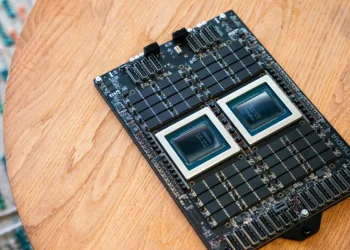
Nvidia CEO Jensen Huang has ruled out releasing any new Hopper-based chips for China, confirming that the company will take a different path for its next AI processor aimed at the market.
Speaking during a visit to Taiwan on May 16, Huang stated that while Nvidia is still evaluating how to serve Chinese customers, the Hopper H20 chip will be the last of its kind sold in China.
“It’s not Hopper because it’s not possible to modify Hopper anymore,” Huang said in a livestream shared by Formosa TV.
This comes after the U.S. government restricted exports of advanced AI chips to China, forcing Nvidia to limit or downgrade its offerings to comply. Although Nvidia has reportedly been working on a lower-performance version of the H20 chip, Huang made it clear that no further Hopper iterations would be tailored for China.
Export Restrictions and Political Pressure
The announcement follows the introduction of the U.S. Framework for Artificial Intelligence Diffusion, a sweeping regulatory policy issued in January just before the Biden administration left office. The framework aims to curb the global spread of U.S.-origin AI chips, particularly to adversarial nations.
Former President Donald Trump has signaled intentions to repeal the diffusion framework, suggesting a more aggressive stance in promoting U.S. tech globally rather than limiting its reach.
China’s Importance and Rising Competition
Despite the hurdles, China remains a key market for Nvidia, generating $17 billion in revenue in the fiscal year ending January 2025—13% of the company’s total sales.
However, Nvidia faces rising competition from Chinese chipmakers like Huawei, which has been rapidly capturing market share amid the export bans.
To stay relevant in China, Nvidia is reportedly working on a downgraded chip to remain compliant while retaining some competitiveness. But Huang’s remarks confirm that new developments will no longer come from the Hopper line, signaling a potential shift to a new architecture altogether for the Chinese market.
A Global AI Arms Race
Nvidia’s evolving strategy highlights the broader challenges tech companies face in balancing commercial interests with shifting geopolitical and regulatory landscapes.
With China driving AI adoption and rival domestic firms gaining traction, Nvidia’s next steps could shape the future of AI chip competition in Asia.https://www.youtube.com/watch?v=vm6gNF7rYzc