Critical AI chip shortages threaten gadget prices worldwide as massive investments in artificial intelligence infrastructure create severe bottlenecks in the semiconductor supply chain. This component scarcity directly impacts the availability and cost of memory and storage parts essential for manufacturing consumer electronics.
The situation is accelerating due to strategic shifts by major industry players, particularly Nvidia. As tech giants pour hundreds of billions into AI data centers, analysts warn that smartphone and laptop prices are poised to rise significantly in response to these market pressures.
How AI Demand Creates Component Shortages
The unprecedented demand for AI processing power is overwhelming manufacturers. AI chip shortages threaten gadget prices by creating intense competition for the same advanced components used in both data centers and consumer devices. Alibaba CEO Eddie Wu recently highlighted shortages across semiconductor foundries, memory chips, and storage devices, predicting this “situation of undersupply” could last several years.
The most critical bottlenecks involve:
- High-Bandwidth Memory (HBM): Essential for AI accelerator chips, with prices expected to surge 30% this quarter
- Dynamic Random-Access Memory (DRAM): Projected to increase another 20% in early 2026
- Solid-State Drives (SSDs): Facing pressure as cloud providers shift from traditional hard drives
Nvidia’s “Seismic” Supply Chain Impact
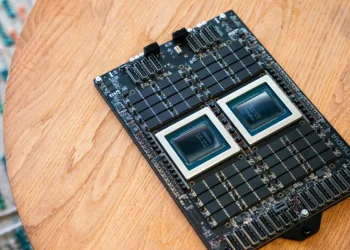
Much of the current AI chip shortages threaten gadget prices crisis centers on Nvidia’s strategic decisions. The company’s recent pivot to using Low-Power Double Data Rate (LPDDR) memory represents what analysts describe as a “seismic shift” for global supply chains.
This creates a fundamental problem: Nvidia now competes directly with smartphone giants like Apple and Samsung for the same advanced memory components. According to MS Hwang of Counterpoint Research, Nvidia has become “a customer on the scale of a major smartphone maker—a seismic shift for the supply chain which can’t easily absorb this scale of demand.”
Direct Consequences for Consumer Electronics
The AI chip shortages threaten gadget prices through multiple mechanisms that are already affecting manufacturers and consumers:
- Direct Cost Increases: DRAM and storage represent 10-25% of typical device manufacturing costs. Analysts estimate that component price hikes of 20-30% could increase total device costs by 5-10%
- Production Constraints: Companies may struggle to secure sufficient components, potentially leading to actual gadget shortages
- Market Timing: Industry experts predict these impacts will “start shortly and likely accelerate into next year”
Electronics manufacturers are already responding to these pressures. Xiaomi has warned consumers to expect “a sizeable rise in product retail prices,” while Dell’s Chief Operating Officer described current component price increases as “unprecedented” in recent earnings discussions.
Broader Industry Repercussions
The effects of these AI chip shortages threaten gadget prices and extend well beyond consumer electronics. As semiconductor manufacturers prioritize their largest AI customers, several other industries face unintended consequences:
- Automotive Manufacturing: May experience component shortages and rising costs
- Industrial Equipment: Faces similar supply chain pressures and delays
- Aerospace and Defense: Could encounter manufacturing and procurement challenges
The root cause stems from conservative capacity planning during earlier market cycles. Suppliers, concerned about overbuilding expensive fabrication facilities, didn’t expand to meet current projections. Now the industry faces 2-3 year lead times to establish new manufacturing capabilities while demand continues to accelerate.
This supply chain crisis represents a classic economic imbalance dramatically amplified by the AI revolution’s explosive growth. As data centers consume increasingly scarce components, consumers worldwide may ultimately pay the price through higher costs and potential shortages of their most essential electronic devices.