NVIDIA AI growth is redefining the global technology landscape as the company positions itself at the center of what many now call the Intelligence Era. Once known for gaming graphics, NVIDIA has evolved into a core provider of the computing power that drives artificial intelligence systems worldwide.
With its technology embedded in everything from cloud platforms to robotics, NVIDIA’s influence now extends far beyond traditional chip manufacturing. The company has effectively become a foundational layer of modern AI infrastructure.
NVIDIA AI Growth Built on Strategic Transformation
NVIDIA’s success stems from a series of calculated pivots. It began by solving graphics challenges for gaming but later unlocked a broader opportunity by enabling GPUs to handle complex computing tasks.
The introduction of CUDA allowed developers to harness GPU power for artificial intelligence, laying the groundwork for today’s AI boom. Over time, the company expanded into data centers and ultimately built a full-stack ecosystem combining hardware, software, and networking.
NVIDIA AI Growth Dominated by Data Center Demand
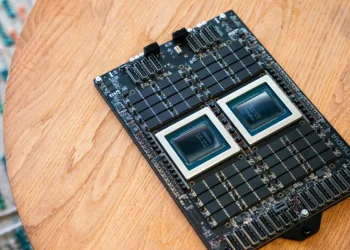
The company’s data center segment now drives the bulk of its revenue, reflecting the explosive demand for AI processing power. Its chips are essential for training and running advanced models used by major technology firms.
This demand has translated into strong financial performance. NVIDIA has reported rapid revenue growth, high profit margins, and significant cash generation, reinforcing its position as a market leader.
Its stock performance mirrors this success, delivering substantial gains over the past decade and becoming a core holding for many institutional investors.
Innovation Keeps NVIDIA Ahead
Continuous innovation remains a key factor behind NVIDIA AI growth. The company is developing next-generation platforms designed for more advanced AI systems capable of reasoning and executing complex tasks.
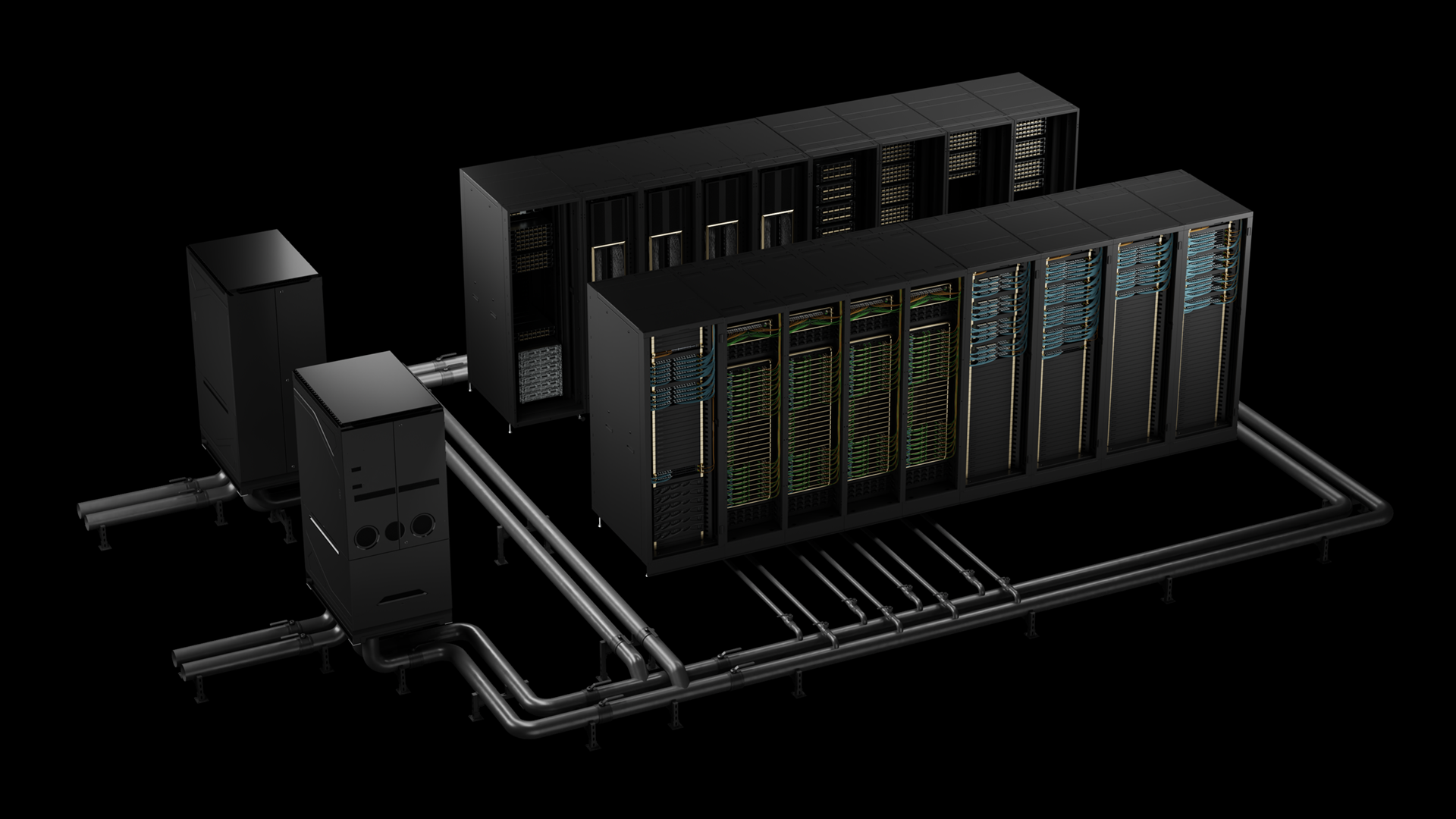
Improvements in memory bandwidth, processing speed, and networking capabilities allow NVIDIA to build large-scale computing systems that connect thousands of chips into unified platforms.
These advancements create a competitive advantage that is difficult for rivals to replicate.
Competition and Risks on the Horizon
Despite its dominance, NVIDIA faces increasing competition from other chipmakers and large technology companies developing their own AI hardware.
Regulatory pressure is also rising, with authorities examining whether its integrated ecosystem limits competition. At the same time, geopolitical tensions and export restrictions could impact global sales.
Reliance on a small group of major customers adds another layer of risk if spending patterns shift.
NVIDIA AI Growth Shapes Industry Trends
Several major trends highlight NVIDIA’s growing influence. Governments are investing in sovereign AI infrastructure, companies are focusing more on running AI models efficiently, and new applications such as robotics are gaining momentum.
These developments reinforce NVIDIA’s central role in shaping the future of artificial intelligence.
What This Means for the Market
NVIDIA AI growth reflects a broader transformation in the global economy. AI is becoming a core driver of innovation, and companies that provide the underlying infrastructure are gaining significant power.
As demand for advanced computing continues to rise, NVIDIA is likely to remain a key player in the industry.
Final Take
NVIDIA AI growth shows how a company can redefine itself to lead a technological revolution. From gaming hardware to global AI infrastructure, its evolution has positioned it at the heart of the Intelligence Era.
While challenges remain, NVIDIA’s innovation and market leadership suggest it will continue to play a major role in shaping the future of AI.